
Table of Contents
- What Refillable Candles Are and How They Work
- Refillable vs. Reusable Candles: Understanding the Difference
- The True Cost of Refillable Candles: Upfront Investment and Refill Pricing
- Refillable Candle Cost Per Burn Hour: Breaking Even
- How to Refill a Candle: The Process and Compatibility
- Long-Term Savings vs. Traditional Candles
- Environmental and Wellness Benefits Beyond Cost
- Are Refillable Candles Worth It? The Verdict
- Frequently Asked Questions
Last Updated: October 19, 2026
What Refillable Candles Are and How They Work
A refillable candle is a permanent vessel filled with plant-based wax beads you replace when depleted, rather than discarding the whole candle. The vessel, typically glass, wood, or stone, becomes a keepsake designed to last indefinitely. When the wax burns down, pour out any residue, add fresh crystal wax beads, insert a new wick, and it's ready to burn again.
This model inverts the single-use candle economy: invest in a quality vessel once and replenish only the consumable components, since it's the wax that's consumed, not the container.
HRH Candle's approach uses plant-based crystal wax beads, which are prized for their clean burn and ability to hold fragrance beautifully. These beads are self-extinguishing by design, adding a safety layer beyond traditional wax candles. The system is customizable too: you can change scents with each refill by selecting different fragrance oils, making the same vessel work for multiple moods and seasons.

The mechanics are straightforward: burn until the wax is depleted, remove debris, place a fresh wick, pour in new crystal wax beads, and you're burning again.
Refillable vs. Reusable Candles: Understanding the Difference
These terms are often used interchangeably, but they describe slightly different systems. Understanding the distinction matters when evaluating whether refillable candles are worth the cost.
A reusable candle typically refers to any candle system where you keep the vessel and replace the contents. This is the broader category. A refillable candle is a specific type of reusable candle engineered from the start with refilling in mind, the vessel is designed to be emptied and refilled repeatedly without degradation.
Not all reusable candles are created equal. Some vessels are merely pretty containers that weren't engineered for repeated refills: wicks may not seat properly, wax may not adhere to the sides, and the vessel may show wear after one or two refills.
A true refillable candle system, like HRH Candle's offerings, is engineered for durability across multiple refills. The vessel design accommodates wick replacement. The material, whether ceramic, quality glass, or finished wood, withstands repeated heating and cooling cycles. The system is modular: vessel, wick, and wax are separate components you can replace independently.
The practical difference: a reusable candle can be refilled, but a refillable candle should be refilled repeatedly. One is accidental; the other is intentional design.
The True Cost of Refillable Candles: Upfront Investment and Refill Pricing
The upfront barrier is real: you pay more initially than for a single traditional candle. The question is whether the total lifetime cost justifies that premium.
Initial Vessel Cost
A quality refillable candle vessel typically costs more initially than a conventional scented candle. You're buying a permanent object designed to last years, not a consumable meant to be replaced.
HRH Candle's hand-finished wood, glass, and stone vessels sit in the premium segment, chosen for durability and aesthetics, functional art meant to complement your home decor, not disappear after the wax burns out.
This initial cost is paid once; every refill after that is a fraction of what you'd spend on replacement candles.
Refill Cost and Frequency
HRH Candle's crystal wax refills come in 18-ounce bags priced at 29 dollars. Each bag includes cotton and wooden wicks, so you're not buying those separately.

A typical 18-ounce refill provides dozens of hours of burn time, depending on wick size and conditions.
At 29 dollars per refill, your ongoing cost is significantly less than continuously purchasing conventional candles.
The refill system begins to show economic advantage after the first few refills.
| Cost Component | Refillable System | Traditional Candles |
|---|---|---|
| Initial investment | 80-150 (vessel) | 20-35 (first candle) |
| Cost per refill/replacement | 29 (18oz) | 20-35 per candle |
| Burn time per unit | 80-100 hours | 40-60 hours |
| Cost per 100 burn hours | 29 (after vessel paid) | 50-87 |
Refillable Candle Cost Per Burn Hour: Breaking Even
Assume you buy an HRH Candle vessel. Each 29-dollar refill provides dozens of hours of burn time.
Your cost per burn hour with the refillable system becomes significantly lower once you account for the initial vessel investment spread across multiple refills.
With traditional candles, you're paying a higher cost per burn hour.
The refillable system becomes cost-effective after a period of regular use. After that point, every additional hour of burn time costs you less with the refillable system.
For heavy candle users, the break-even point arrives sooner. For light users, it might take longer.
The longer you own the vessel and keep refilling it, the more dramatic the savings: 5 years of regular refills delivers cost-per-hour economics that far exceed single-use candles.
How to Refill a Candle: The Process and Compatibility
Refilling a candle is simple, but doing it correctly ensures optimal burn quality and vessel longevity.
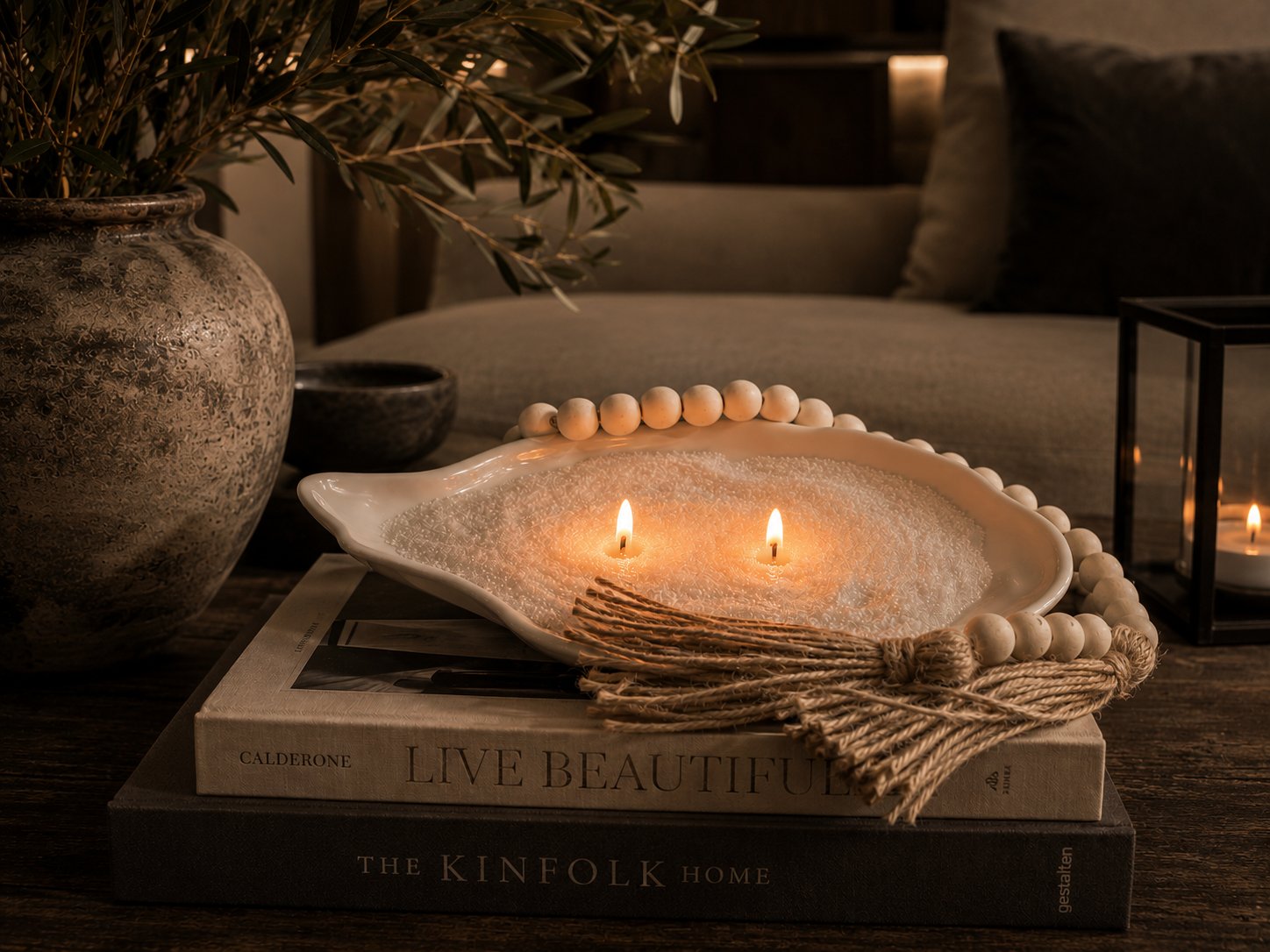
Step 1: Cool and Clean Let your vessel cool completely after the previous burn, then remove leftover wax residue or debris, a small spoon or butter knife works well.
Step 2: Insert the Wick Place a fresh wick in the center of the vessel, centered and upright. HRH Candle refills include both cotton and wooden wicks.
Step 3: Pour the Wax Slowly pour crystal wax beads into the vessel around the wick, filling to about half an inch below the rim. Pouring slowly prevents the wick from shifting.
Step 4: Let It Set Allow the wax to cool and solidify before the first burn.
Compatibility Considerations Not all refillable vessels work with all refill types. HRH Candle's crystal wax refills are formulated for HRH Collection vessels, wax composition, melting point, and fragrance-holding capacity are optimized for these containers.
Mixing vessels from different brands with HRH refills may cause issues.
For best results, match refills to the vessels they were designed for to ensure burn quality, scent throw, and vessel longevity.
Long-Term Savings vs. Traditional Candles
The economic case for refillable candles strengthens over time. Here's a realistic 5-year scenario.
Assume you're a moderate candle user. You prefer quality candles.
Traditional Candle Path (5 years):
- Annual burn time: approximately 730 hours
- Candles needed per year: 12 to 15 candles
- Annual cost: 300 to 450 dollars
- 5-year cost: 1,500 to 2,250 dollars
Refillable Candle Path (5 years):
- Initial vessel investment: 100 dollars
- Annual refills needed: 7 to 8 refills
- Annual refill cost: 203 to 232 dollars
- 5-year cost: 100 (vessel) + 1,015 to 1,160 (refills) = 1,115 to 1,260 dollars
Over 5 years, the refillable system can lead to significant savings depending on your burn habits.
This assumes you stick with the system. Abandonment is real: many people buy refillable vessels and never refill them, turning the investment into waste. The economics only work if you use the system repeatedly.
For heavy users, the 5-year savings expand dramatically. For light users, savings are more modest, though the break-even timeline simply extends rather than disappears.
Environmental and Wellness Benefits Beyond Cost
Waste Reduction A single-use candle generates waste at every purchase cycle: vessel, packaging, and leftover wax end up in landfills. A refillable system eliminates this waste stream almost entirely, replacing only the wax and wick, far smaller volumes than a whole candle.
Material Quality and Longevity Refillable vessels encourage investment in better materials. A hand-finished wood, glass, or stone vessel is built to last decades and becomes part of your home's aesthetic rather than a consumable, a shift from disposable to keepsake.
Clean Burning and Non-Toxic HRH Candle's plant-based crystal wax is formulated to burn cleanly without the toxins present in some paraffin-based candles. Plant-based wax produces less soot. The self-extinguishing design adds a safety layer, particularly in homes with children or pets.

Fragrance Customization A refillable system lets you change scents without committing to a full candle's worth of a fragrance you might tire of, experiment with seasonal scents, match them to your mood, or adjust based on room conditions.
These benefits don't show up on a spreadsheet, but they influence the decision for many users. The question "are refillable candles worth the cost" isn't purely financial for those who value sustainability, safety, and aesthetic continuity.
Are Refillable Candles Worth It? The Verdict
The answer depends on three factors: your burn habits, your timeline, and what you value beyond pure economics.
If you burn candles regularly, 2 or more hours daily, refillable candles are worth the cost. The break-even point arrives within a reasonable timeframe. After that, you're saving money on every refill. Over time, the savings are substantial.
If you burn candles occasionally, fewer than 3 hours per week, the financial case is weaker. The break-even timeline extends significantly.
If you value clean burning, non-toxic materials, and reduced waste, refillable candles are worth it regardless of burn frequency. The environmental and wellness benefits stand on their own. The financial advantage is a bonus, not the primary driver.
The refillable candle model works because it aligns three interests: economic savings, environmental responsibility, and design quality. HRH Candle's approach, premium vessels paired with plant-based crystal wax refills, makes this alignment explicit.
The real cost isn't the upfront investment. It's the commitment to refilling. If you buy a vessel and never refill it, you've simply overpaid for a candle holder. The system only delivers value if you use it repeatedly.
For those who do commit to refilling, the answer is clear: refillable candles are worth the cost. They're cheaper over time, and better for the environment, a beautiful object that improves with age rather than degrades after a few weeks.
The question of whether refillable candles are worth the cost has a straightforward answer once you look past the initial sticker shock.
Frequently Asked Questions
Are refillable candles cheaper than buying new candles?
Refillable candles break even after a few refills compared to buying new candles repeatedly. The initial vessel investment is higher, but each refill costs significantly less than purchasing a new candle. For example, HRH Crystal Wax refills are $29 per 18oz bag, which typically provides multiple burns. Once you've recouped the vessel cost through refills, you save money on every subsequent refill versus replacing entire candles.
How do I know the difference between refillable vs. reusable candles?
Refillable candles use a permanent vessel designed specifically for repeated refilling with wax beads or melts, while reusable candles refer to any candle vessel you can repurpose. Refillable systems are engineered for compatibility, safety, and consistent burn quality across refills. Reusable vessels may work with different refill types but lack this optimization. HRH's refillable vessels are hand-finished in wood, glass, or stone and designed as permanent keepsakes meant to last indefinitely with proper care.
What is the refillable candle cost per burn hour compared to traditional candles?
Refillable candles typically cost less per burn hour than traditional single-use candles after the initial vessel investment is recovered. An 18oz refill of HRH Crystal Wax ($29) provides dozens of hours of burn time across multiple refills. Traditional candles often cost more and provide fewer total burn hours. Once you factor in the reusable vessel, refillable systems deliver superior value over time.
How do I refill a candle, and will it work with my current vessels?
To refill a candle, remove leftover wax, clean the vessel, add new crystal wax beads, insert a wick, and let it set. Compatibility depends on vessel design: HRH Crystal Wax refills work with HRH Collection vessels specifically. Other vessels may have different wick requirements or wax capacity. Always check that your vessel's dimensions and wick compatibility match the refill system. HRH provides wicks with each refill bag to ensure proper fit and burn quality.
Do refillable candles actually last as permanent keepsakes?
Yes, when properly maintained. Hand-finished vessels in wood, glass, or stone are durable and designed to withstand repeated refilling cycles. The vessel itself doesn't degrade from refilling; only the wax inside changes. However, longevity depends on vessel material quality, handling, and care. HRH vessels are crafted to be lasting investments, but exposure to extreme heat, moisture, or rough handling can affect appearance over time. Most users find refillable vessels remain functional and beautiful for years.